Multigenerational Thrissur home nurtures family bonds
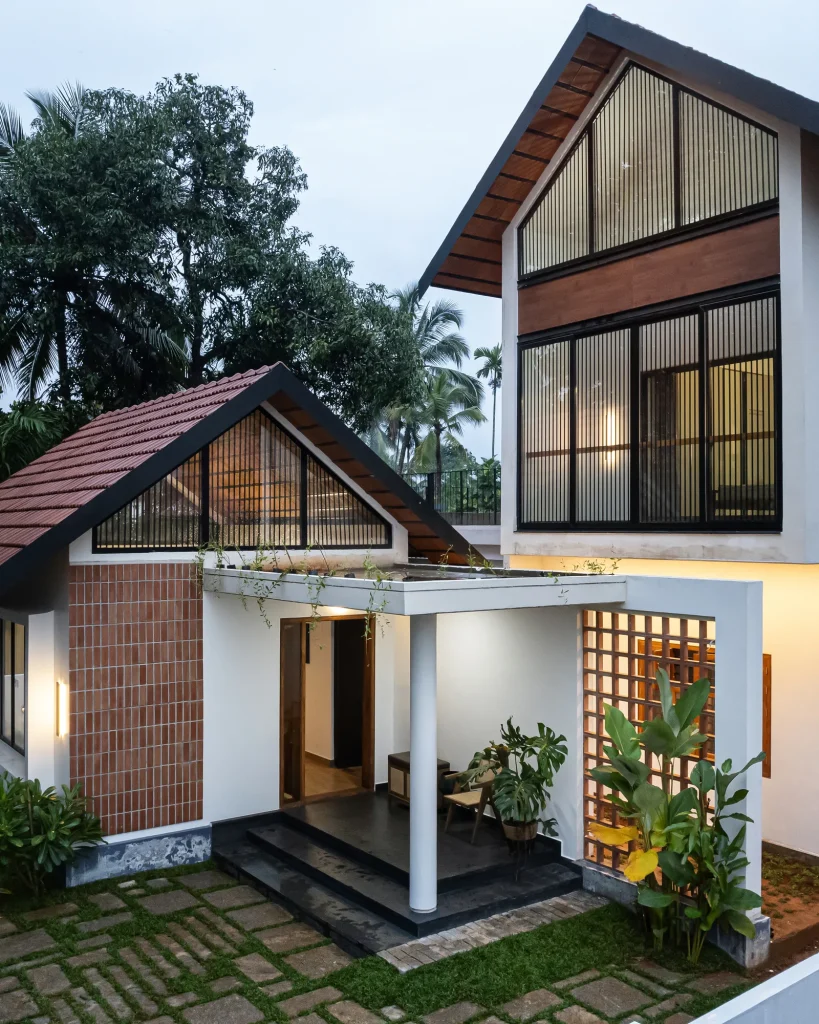
Designing a family home is always a challenge—marrying the needs of the grandparents while sticking to the aesthetics the couple has in mind, and also ensuring the house ages well with the growing kids. With this in mind, Abdul Latheef of Atelier Republic Architects set out to design a family home for the Rahat family of Thrissur, Kerala. The key focus for this 3,000-square-foot house was ensuring the house gets ample natural light and ventilation, capturing the styles of the three generations living here and most importantly, ensuring there is a dedicated private zone for the family when they have guests over.
Latheef explains that the facade of the building was thoughtfully designed to seamlessly blend old-world charm with contemporary elements. “To achieve this harmonious fusion, a combination of glass and brick cladding was incorporated in a modern and aesthetically pleasing pattern. This mixture of materials added a depth and texture to the facade, creating an intriguing visual contrast that celebrated both traditional and contemporary design aesthetics.”
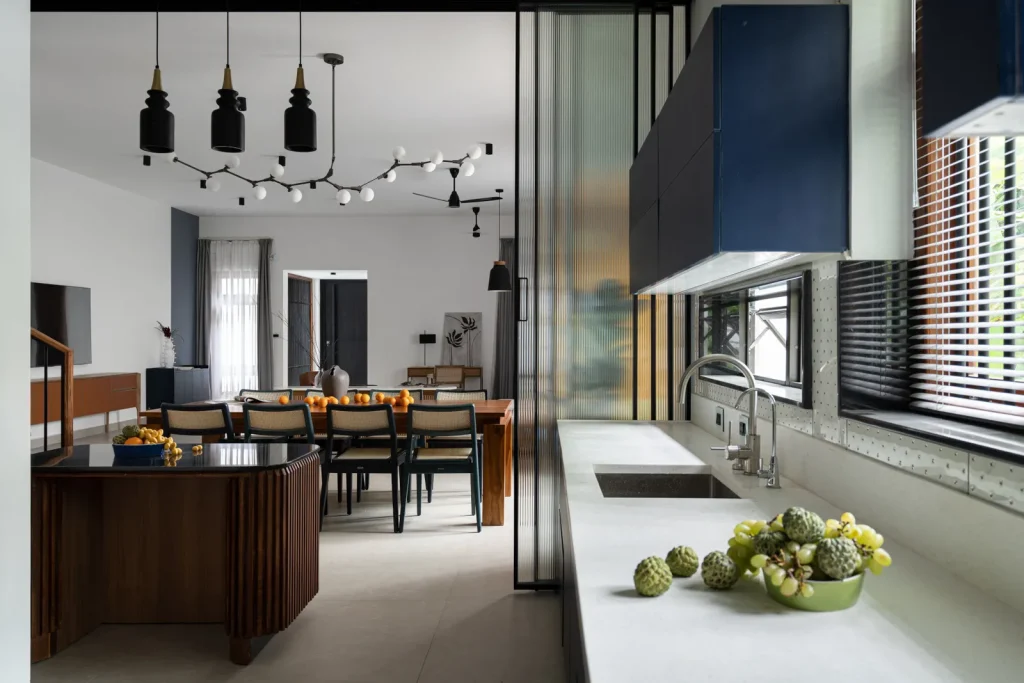
The design essence of the Rahat family home revolves around inclusivity and functionality. Every aspect of the house has been meticulously planned to cater to the diverse needs of this family. “Whether it’s a dedicated study area for the father or a thoughtfully organised kitchen for culinary creativity, their house is a reflection of their aspirations. What sets this architectural project apart is the client’s vision for a space that fosters interaction and togetherness. It’s not just a house; it’s a place where shared experiences and family bonds are nurtured, where interactive spaces bring everyone together in a harmonious blend of modern living and traditional values,” Latheef elaborates.
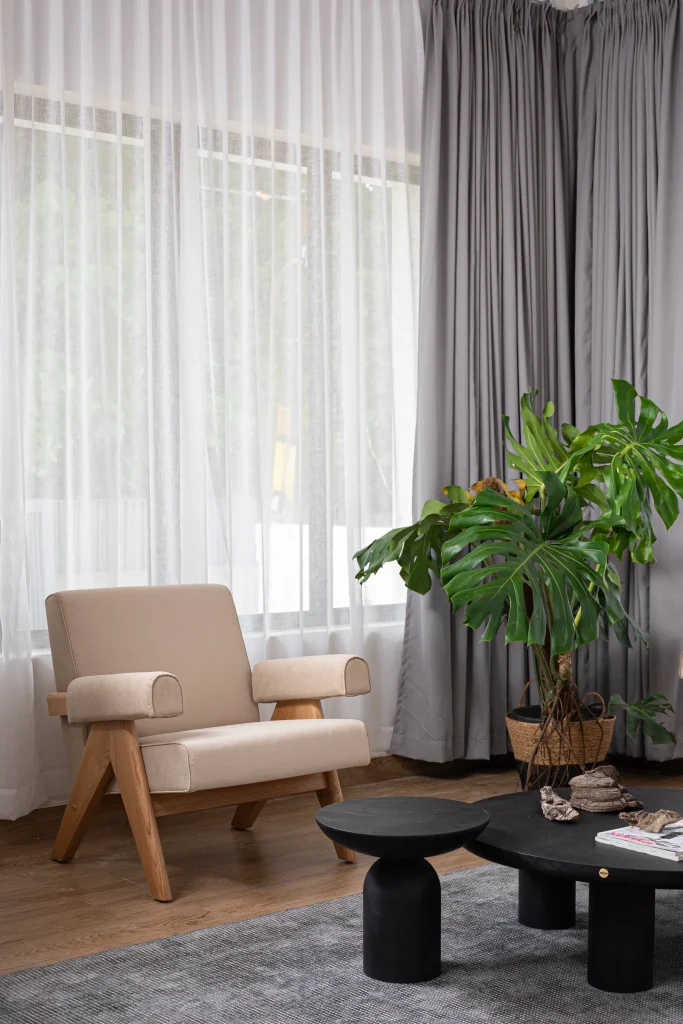
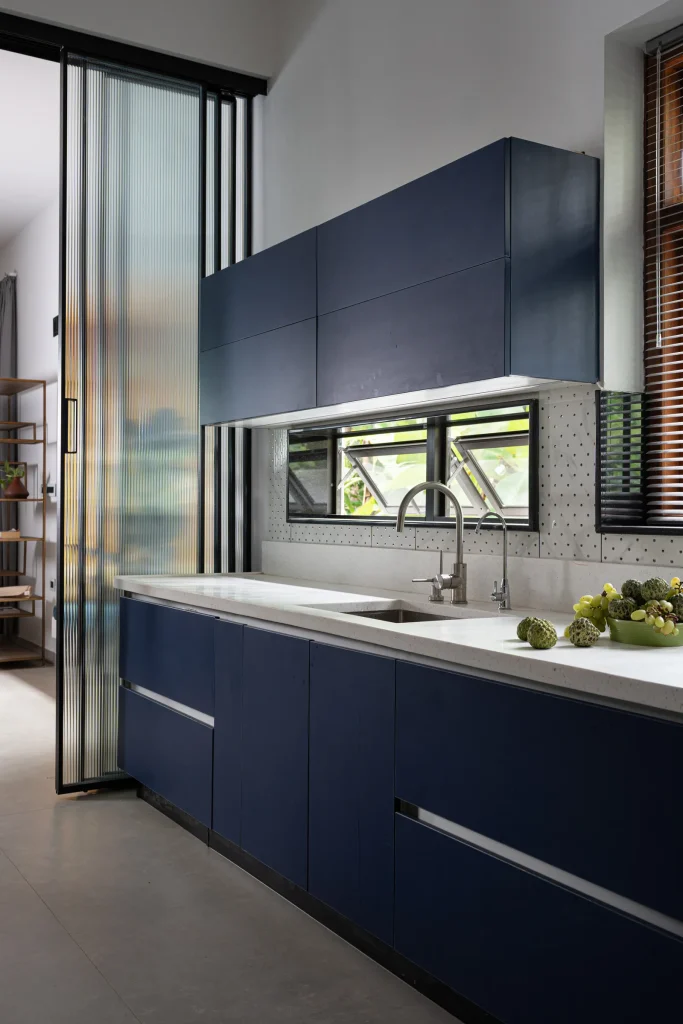
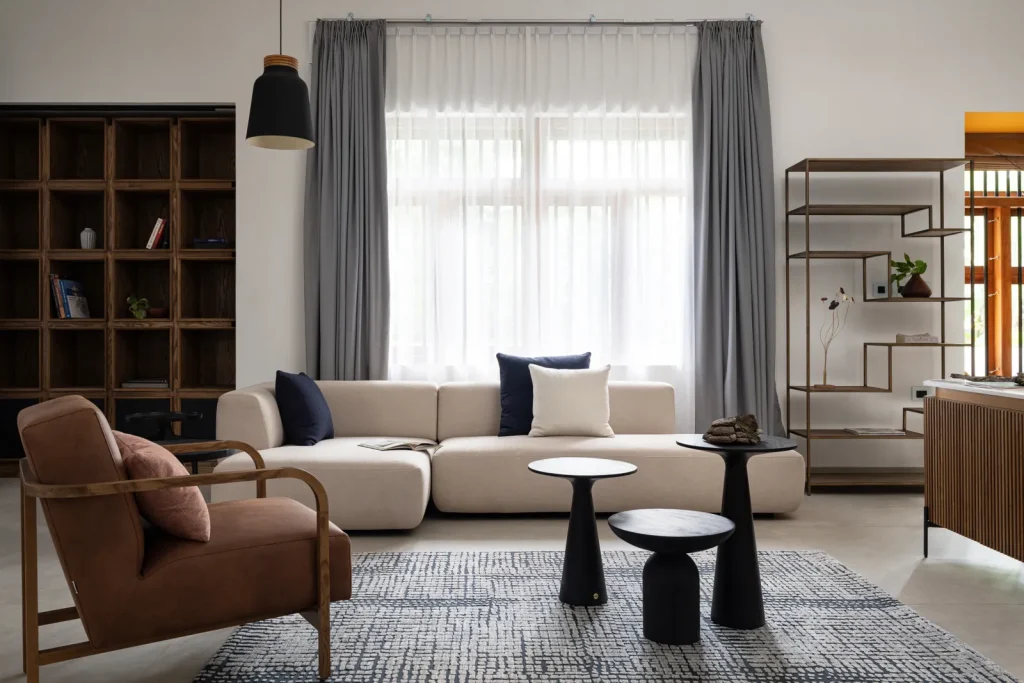
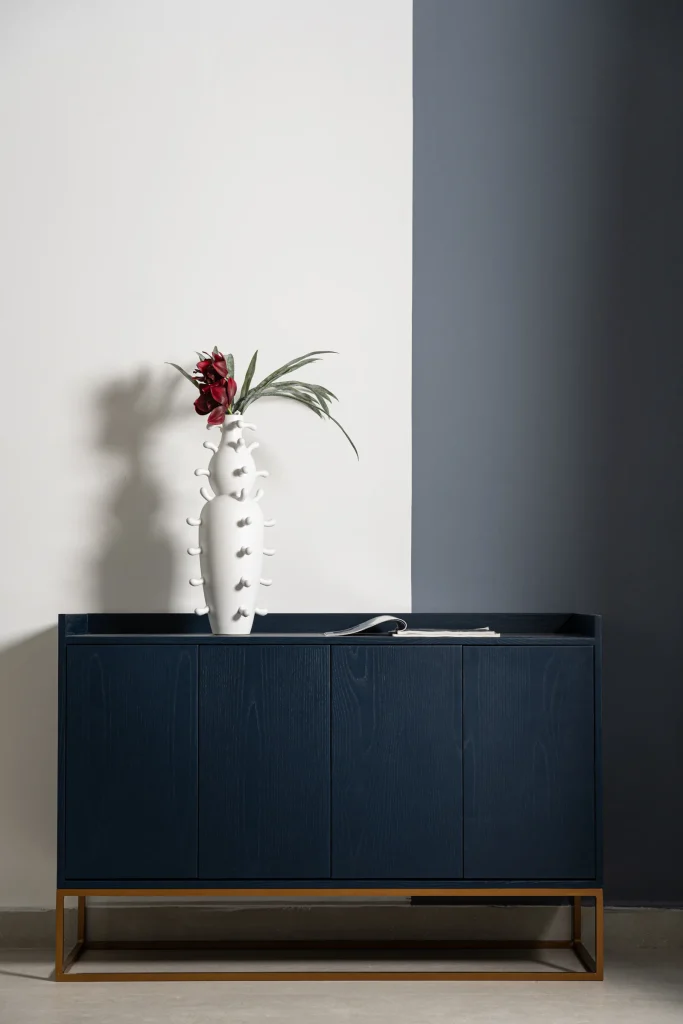
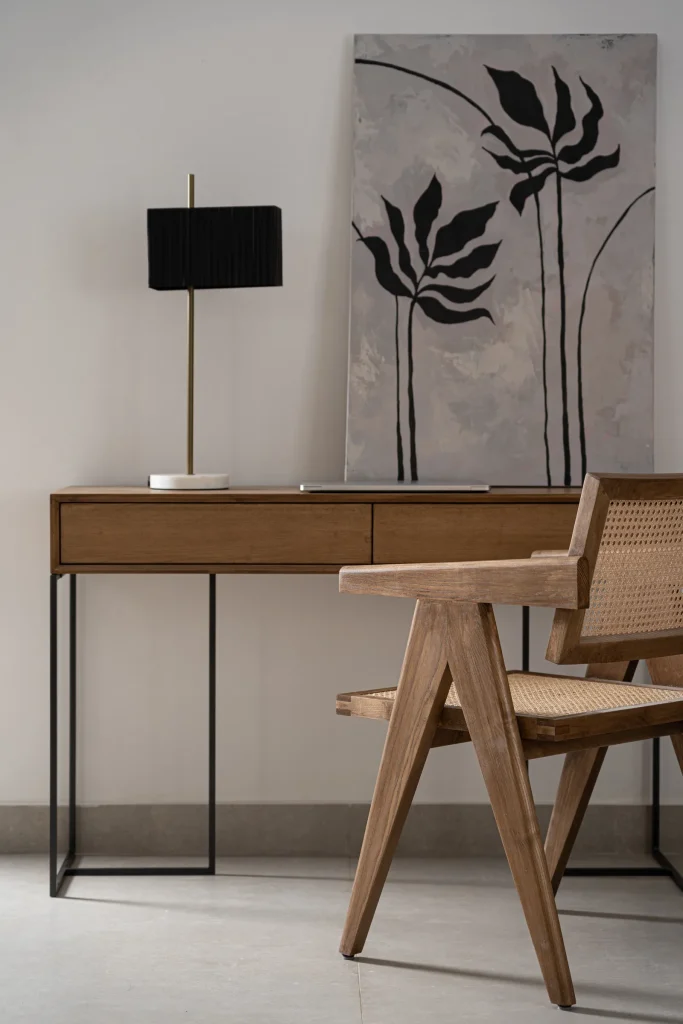
To capture the old-meets-new style, Latheef decided to opt for the Japandi design (a fusion of Japanese and Scandinavian elements). Throughout the interior, a subdued colour palette prevails, featuring shades of black, beiges, and soft wood tones. “This elegant selection of colours extends to the furniture, which was thoughtfully chosen to complement the overall theme. The flooring showcased the contemporary appeal of naked concrete finish tiles, adding an industrial touch to the space,” says Latheef. To maintain a sense of brightness and spaciousness, the walls and ceiling were kept pristine white, creating a serene backdrop for the design elements. The kitchen partition incorporates Japanese-inspired fluted glass panels framed in black. This addition not only added an element of privacy but also served as a striking design element, further enhancing the Japandi aesthetic.